

Real-Time Monitoring for Day-to-Day Reagent Operations
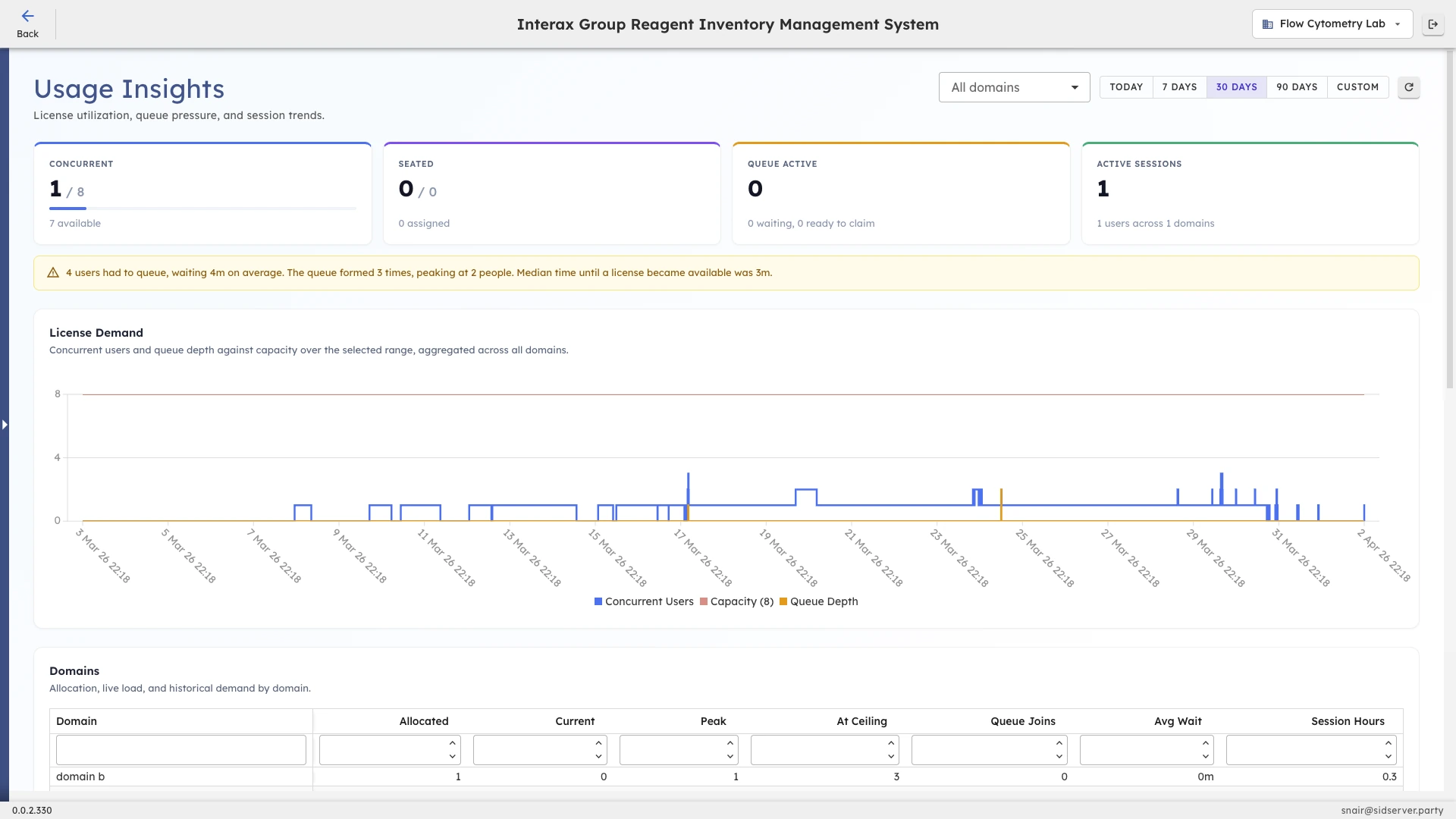
CoreNexis surfaces operational changes as they happen so teams can monitor trends, identify pressure points, and act on current conditions rather than waiting for end-of-week reconciliation.
The Challenge
Laboratory inventory decisions are often made on stale information. Usage data lives in one system, stock counts in another, and ordering status in a third. By the time a supervisor notices a shortage, the problem has already affected workflows. Tests get delayed, staff scramble to find alternatives, and emergency orders become routine. The issue is not a lack of data but a lack of timely, consolidated visibility into what is happening right now across the lab's reagent operations.
How Real-Time Monitoring Works
Dashboard-level visibility
CoreNexis consolidates key operational metrics like current stock levels, recent usage activity, pending verifications, and upcoming expiries into a single view that updates as the underlying data changes. This is not a static report generated on request. It is a live operational picture that gives supervisors, leads, and bench staff the same understanding of current conditions without having to ask around or dig through multiple systems.
Trend monitoring
Beyond current state, CoreNexis tracks how key indicators move over time. Usage rates, stock turns, verification throughput, and ordering frequency are all available as time-series views. This makes it possible to spot developing issues like increasing consumption of a specific reagent, a supplier whose lead times are creeping up, or a verification queue growing faster than the team can clear it, all before they become full operational problems.
Actionable oversight
The monitoring views in CoreNexis are designed for decision-making, not just observation. When a metric crosses a threshold or a trend shifts, the information is presented in a way that supports action: what reagent, what category, what timeframe, and what the relevant operational context is. The goal is to reduce the gap between noticing something and being able to do something about it.
What Changes
- See developing issues earlier instead of reacting after they spread across workflows.
- Give supervisors and leads faster access to the data they need for daily decisions.
- Turn raw activity into readable trends that support planning and oversight.
See Real-Time Monitoring in your lab's context
We can walk through the workflows, reporting, and operational controls most relevant to your environment.